Cat Mama SVG – An Embroidery Designer’s Honest Take Before You Stitch
When I first opened the Cat Mama SVG set, I’ll admit I smiled before I even loaded it into my embroidery software. There’s something about a cat-themed design that lands differently when you work with handmade products day in and day out. It’s not just about cute factor—it’s about whether the shape, the lines, and the overall layout will translate well into thread. After testing this file on a few real projects, I want to share what I found useful, what gave me pause, and how you can make the most of it in your own shop or personal work.
Cat Mama SVG falls squarely into the Crafts and Graphics categories, and honestly, that fits. It’s designed to work across multiple product types, from apparel to home decor to print-on-demand listings. But as someone who primarily works with machine embroidery designs, I needed to see how it behaves when you take it off the screen and put it onto fabric.
First Impressions: Mood, Shape, and What This Design Really Says
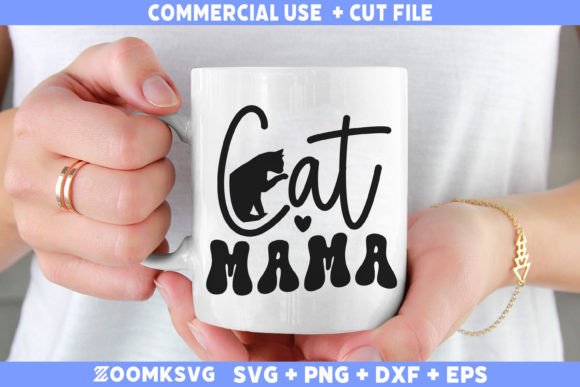
The visual personality of Cat Mama SVG is warm, playful, and slightly sentimental. It doesn’t lean too far into hyper-detailed illustration—instead, it keeps a balanced silhouette that feels approachable. That matters more than most people realize. In embroidery, overly intricate shapes can blur into a mess of thread, especially at smaller sizes. This design respects that boundary. The lines feel intentional, and the negative space reads clearly even from a few feet away.
The theme itself is a natural fit for cat lovers, but also for anyone stitching gifts for a fellow pet parent, a new kitten owner, or someone who simply enjoys whimsical home decor. It’s the kind of design that sparks recognition without needing a caption. That kind of visual shorthand is gold when you’re selling at a craft fair or listing on Etsy.
A Real Scenario: Testing Cat Mama SVG on a Custom Tote Bag
I decided to stitch Cat Mama SVG onto a medium-weight canvas tote bag—one of those projects where the customer wants something cute but also wants it to last through grocery runs and library trips. I hooped a piece of tear-away stabilizer, topstitched the fabric, and ran a test stitch in a single dark thread color on a light natural background.
The first thing I noticed was how cleanly the design stitched out. The outer satin stitch held its edge, and the fill areas didn’t pull or distort the canvas. I’ve seen similar cat-themed embroidery files where the ears or tail become too thin and end up floating in a sea of loose thread. That wasn’t the case here. The proportions felt sturdy, and the stitch density was reasonable—no excessive buildup that would make the tote bag feel stiff or heavy in one spot.
After washing the tote twice (cold water, gentle cycle, hang dry), the design held up with no noticeable fraying or thread breaks. For a small shop owner, that kind of durability means fewer customer complaints and more repeat orders.
Where Cat Mama SVG Shines in Embroidery Projects
Based on my testing, here’s where this design works particularly well:
- Custom apparel: Sweatshirts and t-shirts are a no-brainer. The design sits nicely on a chest or sleeve without overwhelming the garment. I’d suggest using a medium-weight cutaway stabilizer for knits to keep the stitches from puckering.
- Tote bags and aprons: As I mentioned, canvas and denim hold the shape beautifully. It also works well on apron pockets for a boutique kitchen or gift shop look.
- Baby and kids’ items: Onesies, bibs, and small blankets benefit from the design’s moderate detail. Just be mindful of hoop size—smaller hoops may require scaling down, which could affect the smallest elements.
- Pillow covers and tea towels: These home goods make great holiday or housewarming gifts. The design adds a personalized touch without feeling overly commercial.
- Patches: If you sew or fuse patches onto caps, bags, or jackets, Cat Mama SVG has enough visual weight to read clearly as a standalone patch. Use a dense satin stitch border and a medium-weight backing.
- Print-on-demand mockups: If you sell digital products, the design works well for printable mockups on mugs, tumblers, and hats. Just confirm your licensing before using it in commercial digital assets.
Where to Use Cat Mama SVG with Care
No design is perfect for every surface, and Cat Mama SVG has a few scenarios where I’d recommend caution:
- Small hoop sizes under 4x4 inches: If you try to squeeze this design into a tiny hoop, the lettering or finer details may become too narrow for satin stitching to hold. Test a scaled-down version on scrap fabric first.
- Sheer or very lightweight fabric: Thin fabrics like voile or lightweight rayon may not support the stitch density. Use a water-soluble stabilizer on top and a cutaway underneath if you attempt it.
- Dark fabrics with dark thread: The design loses its punch if there isn’t enough contrast. A light or bright thread color on a dark background will make the cat silhouette pop. Test both positive and negative color schemes before committing.
- Curved surfaces like caps or curved mugs: The design’s balanced shape helps, but if you’re hooping a cap or using a curved press, pay attention to how the design aligns with the crown. Small adjustments in placement can save you frustration.
- Dense stitch areas on stretchy knits: While the stitch density is reasonable, any dense embroidery on ribbed or highly elastic fabric can cause distortion. Use a stabilizer designed for stretch fabrics and reduce speed if needed.
Visual Appeal, Product Value, and Customer Trust
One of the things I appreciate about Cat Mama SVG is that it doesn’t try to do too much. In an era where digital embroidery files often pile on details that look great on screen but stitch out as a tangled mess, this design keeps its composure. That restraint translates directly into product value. When a customer receives a tote bag or sweatshirt with clean, crisp stitching, they perceive it as higher quality. And when they trust your work, they come back for gifts, holiday orders, and custom requests.
For Etsy sellers and small shop owners, that trust is everything. A design that stitches reliably reduces your return rate and your rework time. You can list it with confidence, knowing the finished product will match the listing photo. I also found that the design photographs well—both flat and on a model—which helps with mockups and social media posts. The simple silhouette reads well even in a square Instagram thumbnail.
If you’re building a brand around handmade gifts or personalized apparel, this kind of graphic asset supports consistency. You can pair it with other animal-themed designs, or use it as a standalone piece for a dedicated cat collection. Either way, it keeps your product line feeling intentional rather than scattered.
Practical Notes for Embroidery Designers and Shop Owners
Before you load Cat Mama SVG into your machine, here are a few things I always check on any embroidery file—and you should too:
- Test on scrap fabric first. I cannot emphasize this enough. Even the best design behaves differently on linen versus fleece. Run a test stitch and adjust tension or stabilizer before touching your final product.
- Review thread color contrast. The design works well in a single color, but if you want to add a second thread for accents, make sure the contrast is strong enough to read from a distance.
- Check stitch density. If the file feels overly dense in certain areas, consider reducing the density in your software or using a lighter stabilizer to prevent puckering.
- Confirm hoop size and machine compatibility. While the product description doesn’t specify exact formats or hoop sizes, verify that the file matches your machine’s requirements before starting a production run.
- Inspect small details. Look at any narrow lines or tight curves. If they’re thinner than 1.5 mm, they may not hold up in satin stitch. Adjust or simplify if needed.
- Test black and white mockups. A greyscale or single-color preview can reveal whether the design relies too much on color contrast for readability. If it looks muddy in grayscale, it may need editing.
- Check fabric texture. Rough fabrics like burlap or heavy fleece can swallow detail. Smooth fabrics like cotton poplin or canvas show the design more clearly.
- Use proper stabilizer. For woven fabrics, I typically use a medium-weight cutaway. For knits, a cutaway with a light topping. For towels or fleece, a heavier stabilizer helps prevent design distortion.
- Confirm licensing before selling. If you plan to use the design in commercial products or digital assets, read the license carefully. Some SVG sets allow commercial use of finished physical products but restrict resale of the digital file itself. Don’t assume—verify.
- Store the design in an organized library. When you have dozens of files from different sources, clear naming and folder structure saves you time when a customer requests a custom order.
Final Thoughts on Cat Mama SVG for Real Projects
Cat Mama SVG is the kind of embroidery design that quietly earns its place in your library. It’s not flashy, but it’s reliable. It doesn’t scream for attention, but it delivers a finished product that customers notice and appreciate. Whether you’re stitching a one-off personalized gift for a friend or producing a small batch of tote bags for a weekend market, this file gives you a solid foundation.
I’ve worked with enough embroidery files to know that the ones that survive in a shop are the ones that stitch cleanly, read well at different sizes, and fit naturally onto the products people actually buy. Cat Mama SVG checks those boxes. If you’re a craft business owner, an Etsy seller, or a handmade product maker looking for a cat-themed design that won’t fight you during digitizing or stitching, this one is worth a test run. Just remember: test, adjust, and always check the license before you sell. Happy stitching.