Plant-based Life SVG: A Designer's Hands-On Review
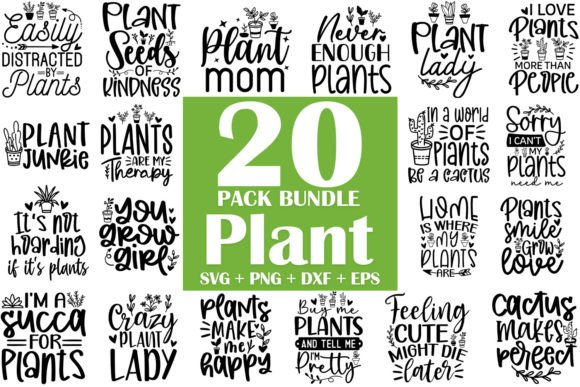
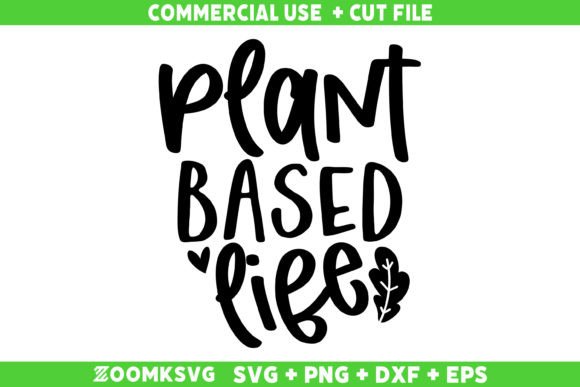
When I first opened the Plant-based Life SVG file, I was curious about how it would translate from a digital graphic into an actual stitched piece. As someone who has tested hundreds of embroidery files for small shop products and custom apparel, I have learned that what looks clean on screen does not always stitch out well. This design, however, caught my attention right away. The theme is warm, natural, and carries a lifestyle message that feels current without being trendy in a temporary way. The layout is balanced, the shapes are defined clearly, and the overall mood is friendly yet polished. It belongs naturally on products that people reach for every day: tote bags, sweatshirts, kitchen towels, caps, and personalized gifts. It also fits well in the Crafts space where handmade and thoughtful presentation matters. Let me walk through what this design actually does in real embroidery work and how it holds up under the needle.
First Stitch Impressions: Mood and Practical Fit
The Plant-based Life SVG has a visual personality that is both calm and confident. The shapes are organic without being overly detailed, which means they read well at a distance and up close. The theme leans into a natural, earth-conscious vibe, which makes it a strong candidate for Graphics used in boutique merchandise, farmer's market products, and eco-friendly brand collaborations. I immediately thought of a canvas tote bag project I was preparing for a local shop that wanted something that felt grounded but not too rustic. This design fits that space perfectly. It does not scream for attention, but it holds it. For embroidery designers and small business owners, that kind of quiet confidence is valuable because it works across age groups and settings. The design feels like it belongs on a reusable grocery bag, a weekend sweatshirt, or a baby onesie with a nature-themed nursery. The mood is inclusive and warm, which helps with customer trust and repeat purchases.
Real Case Scenario: Custom Tote Bag with Plant-based Life SVG
I decided to test the Plant-based Life SVG on a mid-weight canvas tote bag that a client wanted for their small shop merchandise. The goal was to create a finished product that felt premium but approachable. I used a medium hoop size, a tear-away stabilizer, and a standard 40-weight polyester thread in a muted green that matched the natural tone of the design. The stitch-out was clean from the start. The fill stitches laid down evenly without gaps, and the satin stitch areas held their shape well. I did not need to adjust density or trim tiny details mid-stitch, which is a good sign for production work. The design read beautifully on the fabric texture, and the message came through without being preachy. The client ordered twelve bags for a weekend market, and all of them stitched out consistently. For an Etsy seller or a craft business owner, that kind of reliability matters. You want a machine embroidery design that behaves the same way on the tenth stitch as it did on the first.
Performance Across Different Product Types
After the tote bag project, I ran the Plant-based Life SVG on several other substrates to see where it thrives and where it needs caution. On a cotton sweatshirt, the design held its definition well. The fabric texture added a soft, handmade feel that enhanced the natural theme. On a structured cap, I needed to reduce the hoop size slightly and use a cut-away stabilizer to prevent distortion on the curved surface. The design adapted well, though I recommend testing the fit on a cap form before committing to a production run. On a kitchen tea towel, the stitch density was appropriate, and the design did not pucker the fabric. That is a major plus for applique design and fill stitch projects where fabric stability can make or break the final look. On a baby onesie, the design size worked well for the chest area, and the soft theme matched the product category naturally. For commercial embroidery use, this file offers enough flexibility to be a reliable asset in your digital library.
Where the Design Shines Best
- Custom apparel: sweatshirts, t-shirts, and casual jackets
- Home goods: pillow covers, tea towels, and tote bags
- Personalized gifts: baby items, holiday presents, and wedding favors
- Small shop merchandise: boutique products, craft fair items, and brand collateral
- Digital product previews: printable mockups and design assets for Etsy listings
Where to Use Caution
- Small hoop sizes: if the design is scaled down too much, fine details may lose clarity
- Textured fabrics: heavy knits or thick fleece can bury light stitch work
- Stretchy fabrics: interlock knits or ribbed materials require a stable backing to prevent flagging
- Dark fabrics: if thread color contrast is not checked first, the design can disappear into the background
- Curved surfaces like caps: test the placement and hoop angle before production stitching
- Dense stitch areas: if the design is digitized with heavy density, it may stiffen the fabric on lightweight garments
Visual Appeal, Stitching Clarity, and Product Value
The Plant-based Life SVG has a visual clarity that translates well into stitched form. The shapes are defined enough that a running stitch outline or a satin stitch border both work to frame the design. The fill stitches do not pool or leave gaps, which means the finished product looks cohesive and professional. For a handmade product, that level of polish builds customer trust. When someone buys a personalized gift with this design, they are not just buying a graphic. They are buying a finished piece that feels intentional. That perception matters for Etsy sellers and small shop owners who rely on positive reviews and repeat clients. I also appreciate that the design works in both single-color and multi-color thread palettes. A monochrome version keeps the production cost low and the look clean, while a multi-color version adds depth for premium products. Whether you are stitching a batch of embroidered patches for a craft fair or a single custom apron for a holiday gift, this design holds its visual weight.
Practical Designer Notes Before You Stitch
Before you load the Plant-based Life SVG into your machine, there are a few things I recommend checking. First, test the design on scrap fabric that matches your final product. This is not just about checking stitch quality. It is about seeing how the design behaves on that specific fabric texture and weight. Second, review thread color contrast against both light and dark backgrounds. What looks good on screen may not pop on black fabric or white fabric the same way. Third, confirm your hoop size can accommodate the design without crowding the edges. If the design sits too close to the hoop, you may get distortion. Fourth, inspect the small details in the file. If there are thin lines or tight corners, ensure your needle and thread combination can handle them without breaking. Fifth, run a black and white mockup of the design to check if the shapes read clearly without color. This is especially useful for printable mockup presentations and digital product previews where customers see the design before purchase. Finally, check the licensing terms for the file. Since the product description states that these file sets can be used for t-shirt design, coffee mugs, stickers, tumblers, hats, printables, print-on-demand, pillows, bags, and more, confirm whether that includes commercial embroidery and finished product sales. If the license is not clearly stated, reach out to the seller before using it for your business.
How This Design Supports Your Craft Business
For creative entrepreneurs and handmade shop owners, the Plant-based Life SVG offers more than just a pretty graphic. It gives you a design asset that can be adapted across multiple product lines without losing its identity. You can stitch it on a tote bag for your boutique, print it on a mug for a gift set, or use it as a digital mockup for your Etsy shop. That versatility reduces the time you spend sourcing new artwork for every product. It also helps with brand consistency. If your small shop focuses on natural living, eco-friendly products, or handmade gifts, this design reinforces that message visually. Customers recognize the theme and associate it with your brand. That recognition builds loyalty and repeat purchases. From a production standpoint, the design is efficient enough to stitch in volume without constant adjustments. Whether you are preparing a batch of baby embroidery items for a market or a set of holiday embroidery gifts for a client order, the file work is predictable and repeatable.
Final Designer Verdict
The Plant-based Life SVG is a solid addition to any embroidery designer's library. It performs well on a range of fabrics and product types, carries a theme that resonates with a broad audience, and stitches out with clarity that supports both personal projects and commercial work. It is not a hyper-trendy design that will feel dated in six months. It is a steady, usable piece of artwork that belongs in the rotation of any machine embroidery design collection. For Etsy sellers, small shop owners, and craft business operators, this file offers practical value and visual reliability. As always, test it on your own equipment before you run a full production batch. Check your hoop size, stabilizer choice, thread contrast, and licensing. If those bases are covered, you can stitch this design with confidence and deliver a finished product that your customers will appreciate and remember.