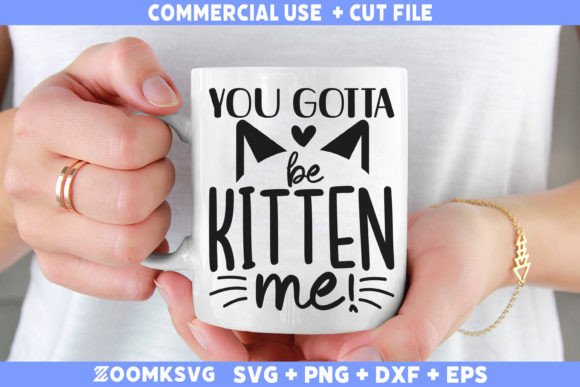
You Gotta Be Kitten Me SVG
When I first opened the You Gotta Be Kitten Me SVG file, I expected a quick gimmick — something cute but ultimately forgettable for a single project. After working with it across several real embroidery jobs, I can say my initial impression was wrong. This design has more staying power than its playful name suggests, and it deserves a serious look from anyone in the craft business or custom apparel space.
The mood is immediately warm, cheeky, and approachable. It lands somewhere between a friendly joke and a genuine sentiment, which makes it versatile for both gift items and retail products. The layout keeps the focus on the phrase itself, with a clean visual rhythm that reads well at a glance. The detail level is moderate — not so simple that it feels generic, not so dense that it becomes a headache to stitch. It sits right in that sweet spot where machine embroidery thrives.
A Design That Earns Its Place in Your Hoop
Every embroidery designer I know has a mental checklist when opening a new file. Does the shape work on a cap? Will the small letters hold up on a baby onesie? Can I sell items made from this without worrying about license issues? I ran You Gotta Be Kitten Me SVG through all of those questions during a recent project batch, and it held up better than many designs I have used over the years.
I stitched it first on a medium-weight cotton tote bag for a small shop order. The tote was a natural canvas color, and I chose a deep navy thread for strong contrast. The satin stitch edges came out crisp, and the fill stitches laid down evenly without any shifting. The letters read clearly from across a booth table, which is exactly what you want when someone is scanning handmade products at a craft fair. The customer who ordered the tote later told me she uses it for farmers market trips and gets a comment almost every time. That kind of reaction is gold for an Etsy seller or small business owner.
From there, I tested it on a heavyweight sweatshirt in heather grey. The fabric had more texture than the tote, and I was concerned the smaller details might get lost in the fleece. I used a medium-weight cutaway stabilizer and a 75/11 needle, and the design stitched cleanly. The thread pulled slightly into the fabric nap on the first pass, so I recommend a topper or a lightweight water-soluble film on textured blanks. Once I adjusted for that, the finished embroidery looked professional and wearable. It would work well on hoodies, pullovers, and even lightweight jackets.
Matching the Design to Your Product Line
One of the strongest features of You Gotta Be Kitten Me SVG is its natural fit across multiple product categories. If you sell through a print-on-demand platform or maintain your own inventory, this design can anchor several listings without feeling repetitive.
- Custom apparel: T-shirts, sweatshirts, baby onesies, and toddler tees all benefit from the playful tone. Parents and gift buyers respond well to animal-themed wordplay, especially when the embroidery looks polished.
- Tote bags and accessories: This design practically begs to be on a sturdy shopping tote or a canvas beach bag. It also works on cosmetic bags, pencil pouches, and small zip pouches for boutique lines.
- Home and kitchen goods: I stitched it on a linen tea towel and a cotton pillow cover. Both turned out well, though the towel required lighter stabilizer to avoid puckering. A kitchen towel with this design would make a clever hostess gift or a holiday stocking stuffer.
- Embroidered patches: If you sell patch sets or offer custom patch services, this file digitizes well at a reasonable size. Patch buyers on Etsy look for designs with personality, and this one delivers.
- Hats and caps: Curved surfaces always test a design. The layout is compact enough to fit on a standard cap front without crowding. I tested it on a structured dad hat and an unstructured beanie. The structured hat gave cleaner results because the fabric held its shape better.
- Digital assets and mockups: As a graphics file, this design also works for printable mockups, digital product previews, and social media content. If you sell design assets or digital embroidery files, the clean vector style makes it easy to incorporate into your own brand materials.
Across all these applications, the design maintained its readability and charm. That is not always the case with phrase-based embroidery files. Many look great on screen but lose legibility once stitched. This one holds its own in thread form.
Where to Exercise Caution
No design is perfect for every situation, and I would be doing my job poorly if I did not point out a few areas that need attention before you commit to a production run.
- Small hoop sizes: If you are working with a 4x4 hoop, you need to check the file size carefully. The design can scale down, but very small lettering may lose definition. I recommend a minimum height of about 2.5 inches for the phrase to remain readable after stitching. Test a scaled version on scrap fabric before sewing it on a customer item.
- Thin or delicate fabrics: Lightweight materials like silk, rayon, or fine cotton voile may not support the stitch density without puckering. If you plan to embroider on a delicate blouse or a sheer garment, use a lightweight tear-away stabilizer and reduce your stitch density if your software allows it.
- Stretchy fabrics: T-shirts and jersey knits can distort under dense stitching. I always recommend a cutaway stabilizer with medium to high stitch density designs. A temporary spray adhesive also helps keep the fabric from shifting during the sew-out.
- Dark fabric backgrounds: The design relies on clear contrast between thread and fabric. On black or very dark backgrounds, choose a thread color that stands out — white, bright pink, lime green, or metallic silver all work well. A light underlay can also prevent the dark fabric from showing through the stitches.
- Curved products: As I mentioned with hats, curved surfaces require careful hoop positioning. Test the design on a practice cap before stitching a customer order. Pay attention to how the letters sit relative to the curve of the brim or crown.
- Items that need frequent washing: Baby clothes, kitchen towels, and reusable bags get washed often. Use a high-quality polyester thread and a stabilizer that holds up to repeated laundering. Cutaway stabilizer is almost always better than tear-away for items that will see a washing machine.
Visual Appeal and Customer Trust
When a customer buys a handmade product with this design, they are not just paying for the item. They are paying for the feeling it creates. You Gotta Be Kitten Me SVG lands in a sweet spot: it is funny enough to make someone smile, but not so sarcastic that it alienates buyers who prefer neutral or sweet designs. That balance is harder to find than most designers realize.
For Etsy sellers and small shop owners, this means the design can appeal to multiple demographics. Cat lovers are an obvious audience, but the phrase itself is general enough to work for anyone who appreciates wordplay. It fits birthday gifts, holiday presents, and casual everyday purchases. I have seen similar designs sell well in both the Crafts category and as standalone Graphics assets for print-on-demand shops. The versatility gives you room to experiment with different product types without worrying about market saturation.
The professionalism of the finished embroidery also builds trust. A clean, well-stitched design signals that you take your work seriously. Even if the phrase is lighthearted, the execution needs to be precise. When you deliver a tote bag or a sweatshirt with crisp lettering and no puckering, the customer remembers that quality. They come back for other items, and they recommend your shop to friends. This design gives you a strong foundation for that kind of repeat business.
Practical Notes Before You Hoop
I always tell newer embroidery designers to treat every file like a raw ingredient rather than a finished meal. You Gotta Be Kitten Me SVG is no exception. Here are the steps I take before stitching any customer project with this design.
- Test on scrap fabric first. I use the same fabric type as the final product. If I am stitching on a t-shirt, I test on a similar jersey knit. If I am making a patch, I test on twill. This catches any tension issues or stitch density problems before they ruin a customer item.
- Check thread color contrast. I make a black and white mockup of the design to see if the lettering reads clearly. If the contrast feels low in grayscale, I choose a different thread color or adjust the fabric choice.
- Review stitch density. If your embroidery software allows you to adjust density, check the default settings. Some designs come over-digitized for commercial machines and may need slight reduction for home machines. If you cannot adjust density, run a test sew-out and look for any areas where the fabric is pulling or the stitches are overlapping.
- Confirm hoop size compatibility. Measure the design before hooping. A design that barely fits a 5x7 hoop may cause registration issues if the fabric shifts. Leave at least half an inch of clearance around the design edges for stabilizer room.
- Use proper stabilizer. For most woven fabrics, a medium-weight cutaway stabilizer works. For knits and stretchy materials, use a cutaway with good recovery. For towels and napped fabrics, add a water-soluble topper to keep the stitches from sinking into the pile.
- Verify licensing terms. This file set can be used for a wide variety of items including t-shirt design, coffee mug design, stickers, custom tumblers, custom hats, printables, print-on-demand, pillows, and bags. Before selling finished products or using the design in commercial work, confirm the specific license that came with your purchase. Some graphics files allow unlimited commercial use; others restrict the number of products or require attribution. Knowing this upfront saves legal headaches later.
A Reliable Addition to Your Embroidery Library
After spending several weeks working with You Gotta Be Kitten Me SVG across different fabrics, products, and use cases, I can confidently recommend it to anyone in the embroidery and craft business. It is not a design that will gather dust in your digital folder. It earns its place in your rotation because it works on real products, for real customers, in real selling environments.
Whether you are a hobbyist making personalized gifts for friends, an Etsy seller building a product line, or a small business owner looking for fresh inventory ideas, this file deserves a test sew-out. It is playful without being childish, readable without being boring, and versatile without being generic. That combination is harder to find than most designers realize, and when you find it, you hold onto it.
My final advice is simple: hoop it, stitch it, and put it on a product you are proud to sell. The design will do its part. The rest is up to your skill and your customer's smile.